
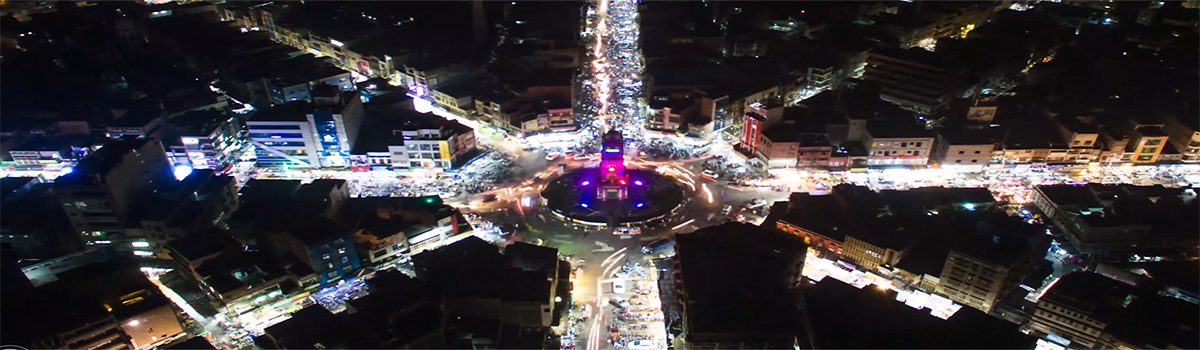
Faisalabad, formerly known as Lyallpur, is one of Pakistan's largest and most industrialized cities. It has a rich history tied to British colonial rule, agriculture, and textile manufacturing.
Colonial Era (Late 19th Century)
- Founded in 1880 during British rule and named Lyallpur after Sir James Lyall, then Lieutenant Governor of Punjab.
- Designed as part of the Chenab Colony, an irrigation project to cultivate barren lands using the Chenab River.
- The city's layout was inspired by the Union Jack, with eight bazaars radiating from the iconic Clock Tower (Ghanta Ghar).
Post-Independence (1947)
- Became part of Pakistan in 1947.
- A large influx of Muslim refugees from India settled here, contributing to the city's rapid growth.
- In 1979, it was renamed Faisalabad in honor of King Faisal of Saudi Arabia, who was a key ally of Pakistan.
Modern Faisalabad
- Known as the "Manchester of Pakistan" due to its dominant textile industry.
- A major economic hub with industries including textiles, agriculture, and manufacturing.
- Home to important institutions like University of Agriculture Faisalabad (UAF).
Faisalabad continues to play a crucial role in Pakistan's economy and remains a vibrant cultural and industrial center.
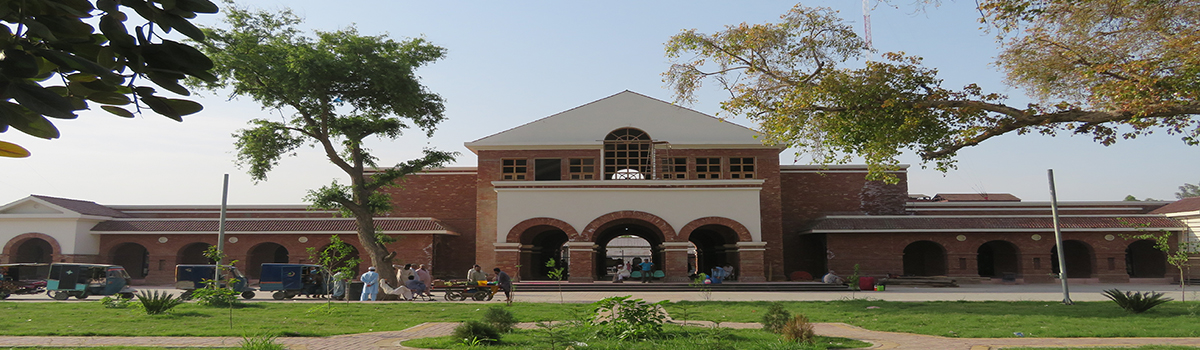
Sahiwal, a city in Punjab, Pakistan, has a rich history tied to agriculture, colonial rule, and historical settlements.
Ancient & Mughal Era
- The region around Sahiwal was home to the Harappa Civilization (2600–1900 BCE), one of the earliest urban centers of the Indus Valley Civilization.
- During the Mughal period, it was part of a vast agrarian landscape, supplying food and livestock to the empire.
British Colonial Period (19th Century)
- Originally named Montgomery in 1865, after Sir Robert Montgomery, the then Lieutenant Governor of Punjab.
- Became an important railway and trade center due to British canal colonization projects.
- The Chenab Colony settlement system led to the expansion of agriculture and population in the region.
Post-Independence (1947 - Present)
- Renamed Sahiwal in 1967 after the Sahi clan, a dominant local tribe.
- Famous for Sahiwal cattle, one of the best dairy and draft breeds in the world.
- The city has developed into a major agricultural and industrial hub, producing wheat, cotton, dairy products, and textiles.
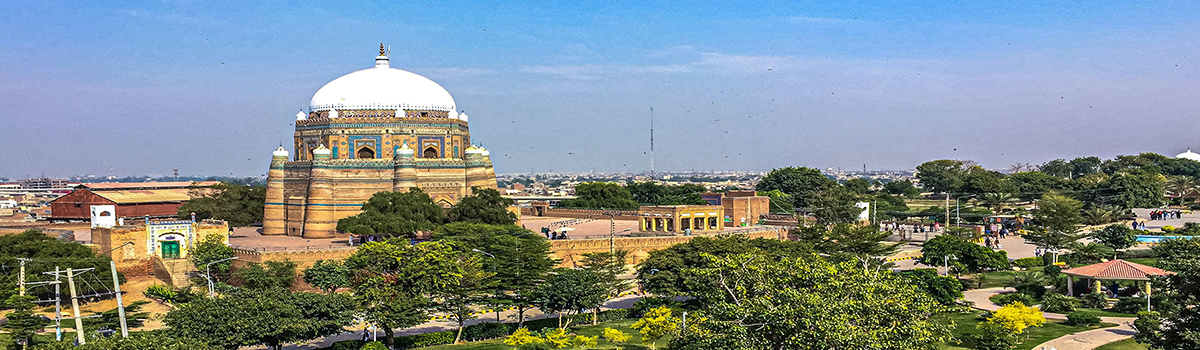
Multan, one of the oldest cities in South Asia, is known as the "City of Saints" due to its deep spiritual and historical significance. It has been a center of trade, culture, and religion for thousands of years.
Ancient Period
- One of the oldest cities in the world, dating back over 5,000 years.
- Mentioned by Greek historians as "Malloi," a tribe that fought Alexander the Great in 326 BCE.
- Was a major hub of the Indus Valley Civilization and later an important center for Hindu and Buddhist traditions.
Islamic & Medieval Era
- Conquered by Muhammad bin Qasim in 712 CE, making it one of the first South Asian cities under Muslim rule.
- Became a significant center of Islamic learning and Sufism, attracting saints and scholars.
- Ruled by various Muslim dynasties, including the Delhi Sultanate, Tughlaqs, and Mughals.
- The city flourished with grand mosques, tombs, and trade during the Mughal era.
Sikh & British Rule (18th - 19th Century)
- Taken over by the Sikh Empire in 1818, leading to a period of decline.
- Later, the British annexed Multan in 1849, making it part of British India.
Post-Independence (1947 - Present)
- Became part of Pakistan in 1947 and remains an important cultural and economic hub.
- Known for its Sufi shrines, including the tombs of Bahauddin Zakariya, Shah Rukn-e-Alam, and Shah Shams Tabrez.
- A major agricultural and industrial center, famous for mangoes, pottery, and textiles.
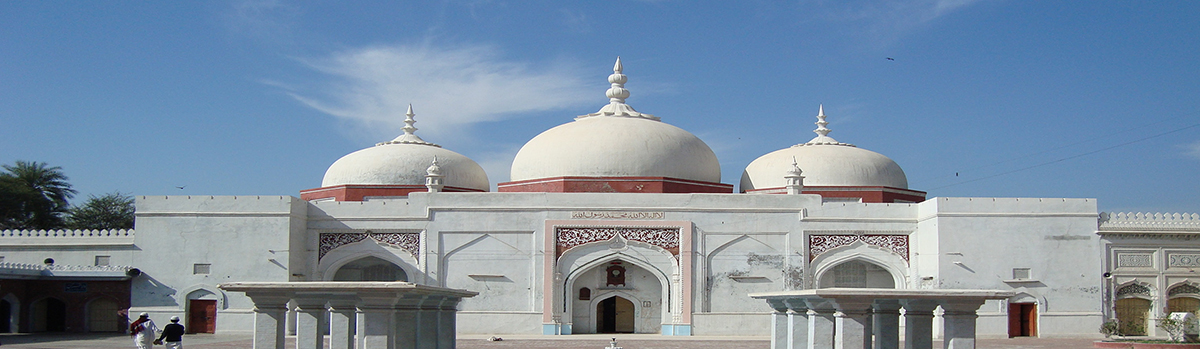
Sargodha, often called the "City of Eagles," is a significant city in Punjab, Pakistan, known for its military, agriculture, and historical significance.
Colonial Era (1903 - 1947)
- Founded in 1903 during British rule as a small canal colony settlement.
- Named Sargodha, possibly derived from the words "Sar" (pond) and "Godha" (a local Hindu ascetic).
- Developed as an agricultural hub due to the British irrigation system.
- The British Royal Air Force established an airbase here, which later became Pakistan Air Force (PAF) Base Sargodha.
Post-Independence (1947 - Present)
- Became part of Pakistan in 1947, growing into an important military and agricultural city.
- Played a crucial role in the 1965 and 1971 Indo-Pak wars, earning the title "City of Eagles" due to the bravery of the Pakistan Air Force.
- One of Pakistan’s top citrus-producing regions, famous for its high-quality kinno oranges.
- Now a major center for education, industry, and defense, housing PAF Base Mushaf and the University of Sargodha.
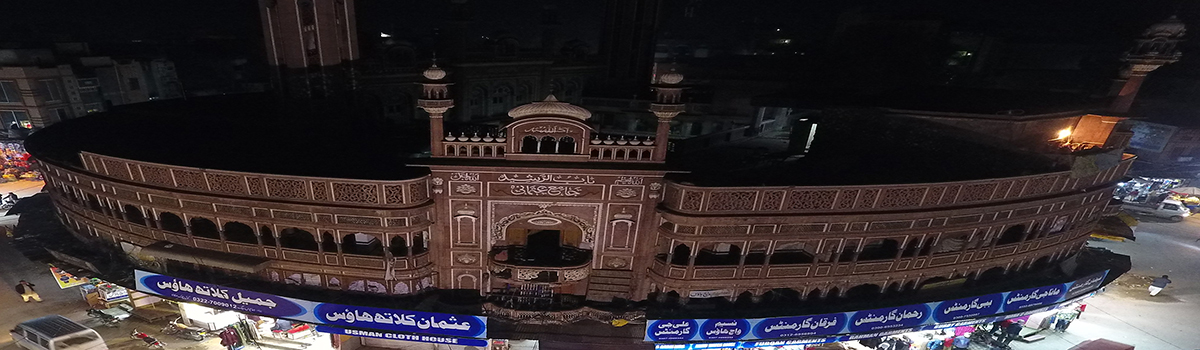
Okara, a city in Punjab, Pakistan, is known for its agriculture, dairy farming, and military significance. It has a history tied to British colonization and Pakistan’s agricultural economy.
Colonial Era (19th - 20th Century)
- Developed during British rule as part of the canal irrigation system to cultivate fertile lands.
- Named Okara, possibly derived from the local word "Okaan", referring to a type of tree found in the region.
- Became a major center for agriculture and livestock, supplying crops and dairy to the British Raj.
Post-Independence (1947 - Present)
- Became part of Pakistan in 1947 and continued growing as a key agricultural hub.
- Known for Okara Military Farms, one of South Asia's largest dairy farms, established by the British.
- Famous for producing wheat, sugarcane, vegetables, and top-quality dairy products.
- Today, it is a developing industrial city, contributing to Pakistan’s economy through farming, trade, and dairy production.
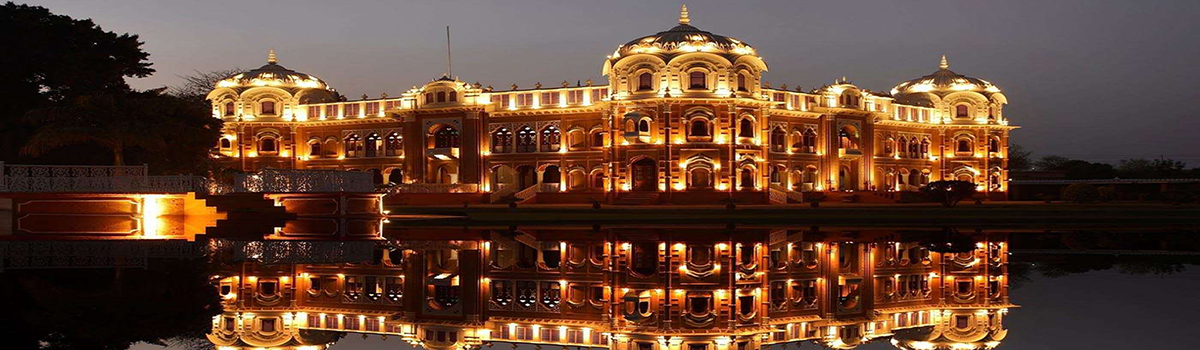
Bahawalpur, a historic city in Punjab, Pakistan, is known for its royal heritage, deserts, and grand palaces. It was once a princely state and played a key role in the region’s cultural and economic development.
Founding of Bahawalpur State (18th Century)
- Founded in 1748 by Nawab Bahawal Khan I, the city was named after him.
- Became the capital of the Bahawalpur Princely State, ruled by the Abbasi dynasty, who claimed descent from the Abbasid Caliphs.
Colonial Era (19th - 20th Century)
- Signed a treaty with the British in 1833, becoming a semi-autonomous princely state under British protection.
- Flourished under Nawab Sadiq Muhammad Khan IV and V, with modern infrastructure, education, and trade development.
- Built grand palaces such as Noor Mahal, Darbar Mahal, and Gulzar Mahal, showcasing its royal splendor.
Post-Independence (1947 - Present)
- In 1947, Nawab Sadiq Muhammad Khan V was among the first rulers to join Pakistan, integrating Bahawalpur into the new country.
- Bahawalpur was initially an independent administrative unit before merging into Punjab in 1955.
- Today, it is a major city known for its historic sites, desert landscape (Cholistan), and cultural heritage.
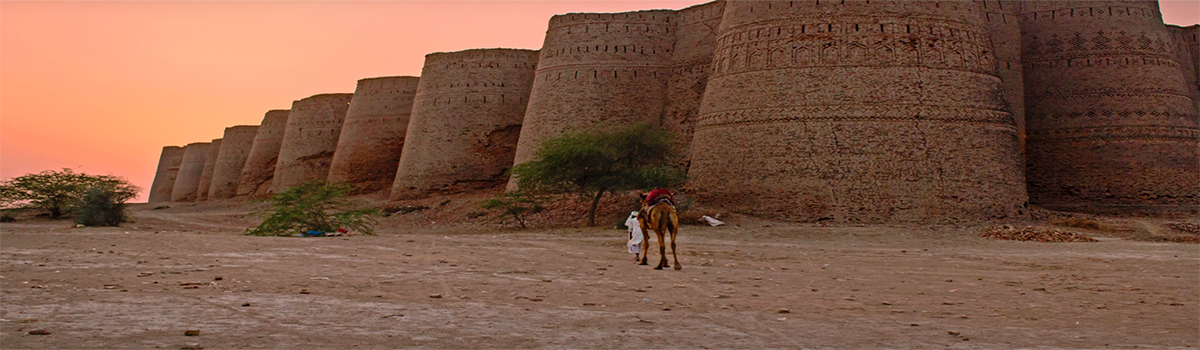
Hasilpur, a city in the Bahawalpur District of Punjab, Pakistan, has a history linked to agriculture, trade, and the Cholistan Desert.
Early History & Colonial Era
- The region was historically part of Bahawalpur State, ruled by the Abbasi Nawabs.
- Developed as an agricultural town under British rule due to the canal irrigation system.
- Named Hasilpur, possibly after a local notable figure or derived from “Hasil” (meaning "achievement" in Urdu).
Post-Independence (1947 - Present)
- Became part of Pakistan in 1947 and continued growing as an agriculture-based city.
- Located near the Cholistan Desert, it has historical links to the Derawar Fort and ancient trade routes.
- A major producer of cotton, wheat, and sugarcane, contributing to the local economy.
- Known for its livestock farming and small-scale industries.
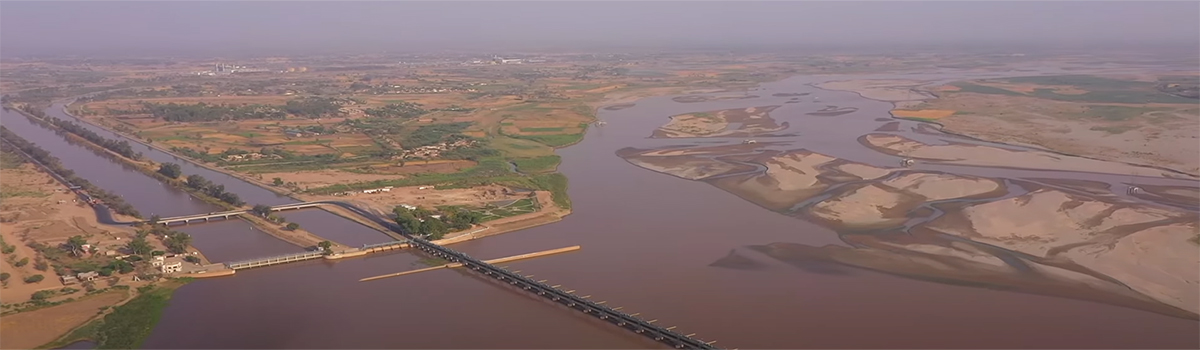
Jhang, one of the oldest cities in Punjab, Pakistan, is known for its rich cultural heritage, Sufi traditions, and agriculture.
Ancient & Medieval Period
- The region has historical links dating back to the Indus Valley Civilization.
- Mentioned in early Muslim chronicles, it was a strategic settlement due to its location near the Chenab and Jhelum rivers.
- Flourished during the Delhi Sultanate and Mughal periods as a center for agriculture and trade.
Colonial Era (19th - 20th Century)
- Came under British rule in 1849 after the annexation of Punjab.
- The British developed canal irrigation systems, turning Jhang into a major agricultural district.
- Jhang was known for its cotton, wheat, and livestock farming.
Post-Independence (1947 - Present)
- Became part of Pakistan in 1947 and continued to grow as an agriculture-driven economy.
- Famous as the hometown of Heer and Ranjha, the legendary lovers from Punjabi folklore.
- A center of Sufism, home to the shrine of Hazrat Sultan Bahu, a revered Sufi saint.
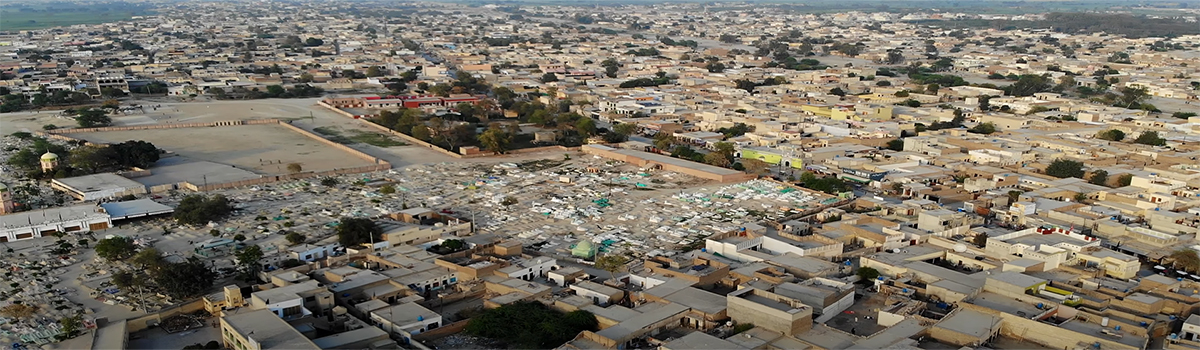
Bhakkar, a city in Punjab, Pakistan, has a history deeply connected to ancient civilizations, river-based trade, and agriculture.
Ancient & Medieval Period
- The region around Bhakkar has been inhabited for centuries, with influences from the Indus Valley Civilization.
- Historically part of Greater Punjab, it was ruled by various empires, including the Ghaznavids, Delhi Sultanate, and Mughals.
- Due to its location near the Indus and Jhelum rivers, Bhakkar was an important trade and agricultural center.
Colonial Era (19th - 20th Century)
- Came under British rule in 1849 after the annexation of Punjab.
- The British developed canal irrigation, making Bhakkar a wheat and cotton-producing district.
- Infrastructure improvements led to population growth and increased trade activity.
Post-Independence (1947 - Present)
- Became part of Pakistan in 1947 and continued as a rural agricultural hub.
- Known for producing wheat, sugarcane, and pulses, contributing to the country’s food supply.
- Has historical and religious significance, with several Sufi shrines in the region.
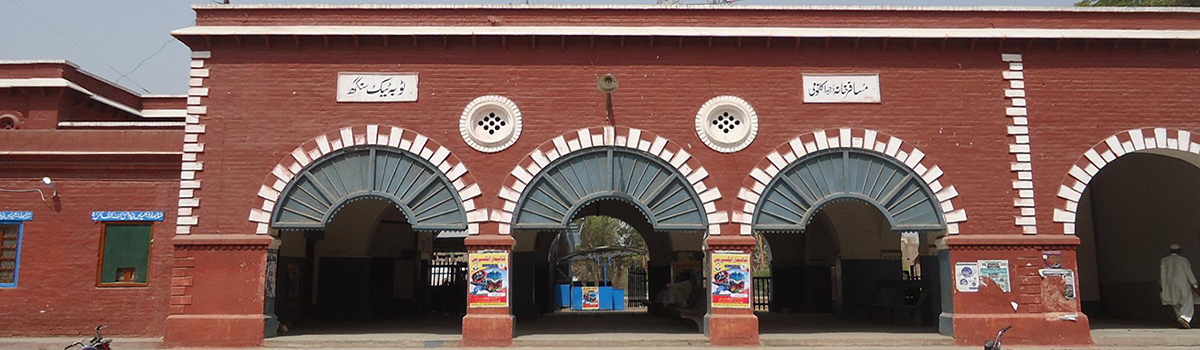
Toba Tek Singh, a city in Punjab, Pakistan, is known for its agricultural importance, colonial origins, and cultural significance.
Colonial Era (19th - 20th Century)
- Established as a canal colony during British rule in the late 19th century.
- Named after Tek Singh, a kind-hearted Sikh saint who provided water and shelter to travelers near a "toba" (pond).
- Became an agriculture-based town due to the British canal irrigation system, attracting settlers from different parts of Punjab.
Post-Independence (1947 - Present)
- Became part of Pakistan in 1947, with many Sikh and Hindu families migrating to India, and Muslim refugees settling in their place.
- Rapidly developed into a major agricultural hub, known for its wheat, sugarcane, and dairy farming.
- Famous for the short story "Toba Tek Singh" by Saadat Hasan Manto, which symbolizes the pain of Partition.